INDUSTRY INSIGHTS
Is Quick-Turn PCB The Solution to Fast PCB Assembly?
Lead times feel longer when a prototype is stuck in the queue. Engineers often expect speed to come at the cost of quality. That tradeoff used to be a given. But more teams are starting to ask the same question. What if fast could still mean precise? That question is driving a shift toward smarter, streamlined, quick-turn PCB workflows that reduce friction, tighten feedback loops, and lead to better outcomes from the very first build.
What Does Quick-Turn PCB Really Mean?
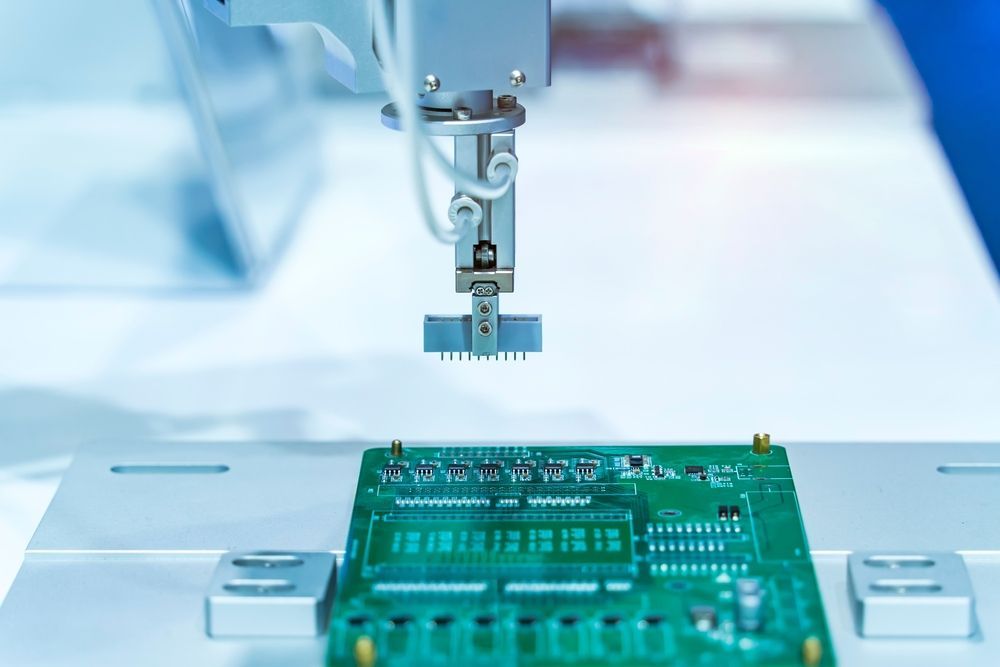
Quick-turn PCB refers to a manufacturing process designed to speed up the delivery of printed circuit boards without cutting corners. Speed alone isn’t the goal. The process is designed to remove friction and maintain precision at every step. From material sourcing to file preparation to assembly scheduling, each stage is tuned for efficiency.
Engineers typically use quick-turn services during early-stage prototyping, time-sensitive development cycles, or when a last-minute revision needs to be tested before a deadline. These builds still follow the same manufacturing standards, but the process eliminates unnecessary gaps.
The pace shifts to match the urgency, with faster quoting, tighter coordination, and priority handling on the floor. The result is a functional board in hand, often within days instead of weeks.
Why Speed Matters in PCB Prototyping and Assembly
Delays in early-stage hardware development can ripple across an entire project timeline. When a board takes weeks to arrive, testing stalls, firmware sits idle, and decisions get pushed back. For teams working under compressed schedules or investor pressure, those gaps cost more than time. They interrupt momentum and make it harder to gather the insights needed to move forward.
Quick-turn PCB services help tighten that loop. Faster board turns allow teams to validate designs earlier, catch issues before they multiply, and move confidently into the next iteration. Speed matters when it closes the gap between design and test, not when it adds pressure without purpose.
When prototypes show up in days, not weeks, teams stay focused, feedback stays relevant, and momentum stays on track.
The Quick-Turn PCB Fabrication and Assembly Process
Quick-turn PCB builds follow the same fundamental stages as standard production, but each one is streamlined to save time without sacrificing quality. The goal is to reduce wait times, eliminate bottlenecks, and keep communication clear.
Here's how the process typically flows:
- File review and project assembly checks happen immediately after upload
- Material sourcing prioritizes in-stock and verified components
- Tooling and setup are pre-configured for short-run jobs
- Visual first articles and 3D AOI inspections are integrated early in the process to prevent prototype assembly issues.
Each step is tightly coordinated to move your design through fabrication and assembly quickly, keeping teams on schedule without compromising on precision.
How Quick-Turn PCB Services Speed Up Delivery
Speed starts before the build begins. Quick-turn PCB services rely on tight coordination across quoting, engineering, sourcing, and production. When files come in, the review process begins immediately.
Materials are procured from pre-qualified sources, and tooling is set up for faster throughput. Communication also plays a role. Questions get answered quickly, and minor changes are handled without back-and-forth.
The entire system is designed for responsiveness, not just raw speed. That focus on flow helps teams get reliable boards faster, without cutting corners or introducing avoidable delays.
Common Misconceptions About Quick-Turn PCB Builds
Quick-turn PCB services are often misunderstood. Some assume they only apply to simple boards or low-quality builds. In practice, quick-turn applies to complex designs too, as long as the process is structured properly. Here are a few common myths:
- “Only basic boards qualify.” Multi-layer, high-density, and RF designs are regularly built under quick-turn schedules.
- “It's always more expensive.” While priority handling has a cost, shorter lead times reduce overall development delays.
- “Quick-turn means lower quality.” Fast timelines still follow standard IPC guidelines and inspection protocols.
- “Faster builds skip testing.” Quality checks are built into the process from the start. Test inspection options (Flying Probe, ICT, Functional) are available to the customer if needed.
A well-run quick-turn workflow is built for speed, not shortcuts.
Why Ninja Circuits Excels at Fast PCB Assembly
Speed without structure leads to mistakes. At Ninja Circuits, the quick-turn process is built on real-time coordination and engineer-led reviews. Every PCB layout and BOM is evaluated before fabrication begins, which reduces surprises during assembly. Whether you're working on early-stage PCB prototyping or refining a production-ready design, the team keeps communication clear and timelines tight.
Because all services are U.S.-based, there’s no lag in logistics or language. Projects stay on track, and revisions get addressed immediately. Ninja also handles both
consignment and turnkey PCB assembly, giving teams flexibility based on how far along the design is. When fast really needs to mean reliable, experienced handling makes the difference.
Choosing the Right Partner for Quick-Turn Success
Not every shop is built for speed. Some prioritize large production runs or treat quick-turn jobs as fill-in work. The right partner focuses on small-batch agility, tight communication, and early design engagement. Look for teams that review files up front, ask the right questions, and respond without delay. That’s what keeps fast projects from stalling halfway through.
It also matters where the work happens. U.S.-based facilities reduce shipping time, cut back on time zone delays, and allow for faster collaboration when changes are needed. When
PCB assembly is tied directly to your design and prototyping goals, every handoff is cleaner. A responsive partner turns a tight deadline into an on-time delivery, without compromising build quality.

Get Your PCB Prototype Built Fast with Ninja Circuits
A fast board only matters if it’s built right. At Ninja Circuits, speed and precision go hand in hand. From initial layout review to final PCB assembly, every step is handled by experienced engineers who know what’s at stake. Projects move quickly because communication is clear, files are double-checked, and timelines are respected.
Teams rely on us for proof-of-concept, short production runs, and time-sensitive revisions. Quick-turn PCB prototyping is a core strength. Every design gets real attention, not just a time slot.
If you're up against a tight schedule, we're ready to help. Contact us or request a quote to get your build started today.
INDUSTRY INSIGHTS