
INDUSTRY INSIGHTS
Navigating PCB Material Shortages & Lead Times
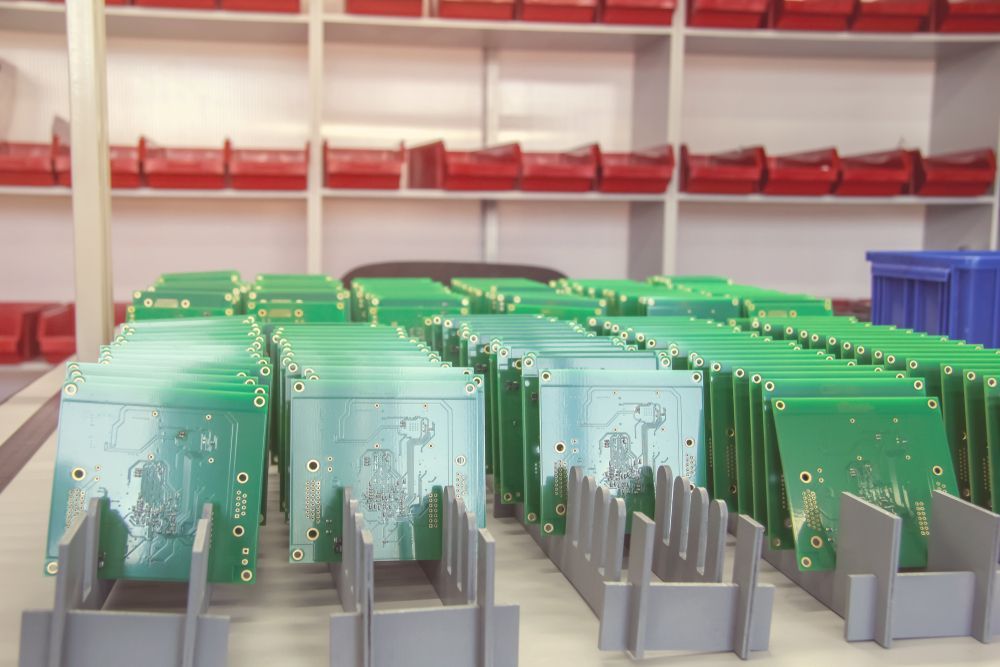
PCB lead times in 2026 are often determined long before fabrication starts. Material shortages, laminate allocation, and longer bare-board lead times can delay an assembly even when the production line is ready.
Understanding where those delays originate helps engineering and purchasing teams plan more realistic schedules and reduce the pressure to make last-minute material or manufacturing decisions.
How the Shortage Reaches Your Assembly Line
Material shortages rarely stop at the fabrication shop. When laminates or other bare-board materials are delayed, fabrication starts later, pushing back board delivery to the assembler. Even if every component is in stock and the production line is open, assembly cannot begin until the bare boards arrive.
That is why today's PCB lead time is increasingly shaped by events upstream. A delay in material procurement can compress assembly, inspection, and testing into a much smaller window, leaving engineering and purchasing teams with less time to review design changes or approve material substitutions before production moves forward.
The 2026 PCB Material Shortage, Explained
The current shortage is the result of several pressures converging at once. Rising demand for advanced computing hardware, tighter raw material availability, and geopolitical disruptions have extended lead times and increased costs across parts of the PCB manufacturing chain. The biggest factors are outlined below.
AI Servers and the T-Glass Squeeze
AI servers rely on high-performance PCB materials that use specialized T-glass, a fiberglass material found in many advanced laminates. As demand for AI infrastructure grows, laminate manufacturers have shifted more capacity toward these higher-value materials. That tighter availability can ripple into standard PCB production, extending bare-board lead times even for projects outside the AI market.
The PPE Resin Crisis from the Mideast
The Middle East has become a key source of high-purity PPE resin used in certain high-performance PCB laminates. Production disruptions in the region reduced resin availability, increasing costs and slowing laminate manufacturing. Those disruptions have added more uncertainty to bare-board procurement and overall production schedules.
Standard FR-4 vs. Advanced Grades: Know Your Risk
Not every PCB material faces the same level of risk. Standard FR-4 remains the most widely available option for many designs, although lead times have grown longer than in previous years. Designs with controlled impedance, high-speed interfaces, elevated operating temperatures, or specialized laminate requirements are generally more exposed to material constraints. Before approving a material substitute, engineering teams should confirm that any alternate material still meets the design's electrical, thermal, and reliability requirements without introducing new qualification or schedule delays.
Turnkey vs. Consignment: Who Absorbs the Hit
When material availability becomes unpredictable, the biggest difference between sourcing models is who manages the disruption. With
turnkey PCB assembly, one partner coordinates bare boards, components, and scheduling, making it easier to spot delays before production begins. Consignment can still work well for organizations with established sourcing programs, but it places more responsibility on the customer to coordinate material availability and schedule changes.
| Turnkey | Consignment |
|---|---|
| Supplier coordinates board and component sourcing. | Customer manages some or all material procurement. |
| Supplier tracks material availability and schedule impacts. | Customer tracks supplier delays and schedule changes. |
| One point of contact throughout the build. | Coordination is shared across multiple vendors. |
Inside Ninja's Supplier Vetting for Faster Turns
Faster turnaround starts with knowing where delays are most likely to occur. Before
rapid PCB prototyping projects move into production, suppliers are evaluated based on current material availability, lead times, approved laminate options, and overall reliability. Reviewing those factors early helps identify potential bottlenecks, compare acceptable alternatives, and reduce last-minute sourcing surprises. The result is a build plan based on current conditions instead of assumptions made weeks earlier.
When a Board Swap Puts IPC-A-610 at Risk
Changing PCB materials to shorten lead times is not always a simple substitution. A different laminate can alter thermal behavior, board stability, and assembly performance, changing assembly behavior in ways that can contribute to workmanship defects evaluated under IPC-A-610. Before approving an alternate material, engineering teams should review its electrical, thermal, and manufacturing implications. This is especially important in
aerospace and aviation PCB assembly, where material changes often require additional documentation, traceability, and engineering review before production continues.
Red Flags That Your Fab Can't Deliver on Time
Most PCB suppliers want to meet the dates they quote, but a few warning signs can signal added schedule risk before an order is placed. Watch for these indicators during the quoting process:
- No confirmed material availability. A fast fabrication quote means little if laminate sourcing has not been confirmed.
- Unclear lead-time definitions. Ask when the quoted timeline begins and exactly which manufacturing steps it includes.
- No documented substitute process. Material changes should follow an engineering review rather than assumptions or last-minute decisions.
- Frequent quote revisions. Repeated changes to pricing or delivery dates can indicate unstable material sourcing.
- Limited communication. Regular schedule updates help engineering and purchasing teams respond before delays become larger problems.
- Unrealistic turnaround promises. Ask how unusually short lead times will be achieved and whether materials are already secured.
Your Pre-Commit Checklist for Tighter Timelines
Before releasing your PCB build to production, take a few minutes to confirm these details with your manufacturing partner:
Verify material availability.
Confirm the required laminate is in stock or has a realistic procurement timeline.
Review approved substitutions.
Decide which alternate materials are acceptable before production begins.
Check documentation requirements.
Ensure drawings, BOMs, and fabrication files are complete and up to date.
Confirm the production schedule.
Understand when fabrication starts and how assembly fits into the timeline.
Validate design readiness.
Resolve open engineering questions before manufacturing begins to reduce avoidable production delays.
Establish communication expectations.
Know how schedule changes or material issues will be shared throughout the build.
Timeline: When the Material Crunch Eases Up
Most industry analysts expect PCB material availability to improve over time as laminate production expands and supply chains adjust, but recovery is unlikely to happen all at once. Lead times will continue to vary by material type, supplier, and application, with advanced laminates expected to remain under greater pressure than standard grades. Until availability becomes more consistent, planning ahead and confirming material status early remain the most reliable ways to reduce schedule uncertainty.
Get a Quote Before Material Prices Shift Again
Material availability and pricing can change quickly; multiple sources and getting orders in place early are some of the best ways to stay on schedule. Ninja Circuits helps engineering and procurement teams identify sourcing challenges before they become production delays. If you're ready to move forward,
request a quote and start planning your next build with greater confidence.
INDUSTRY INSIGHTS